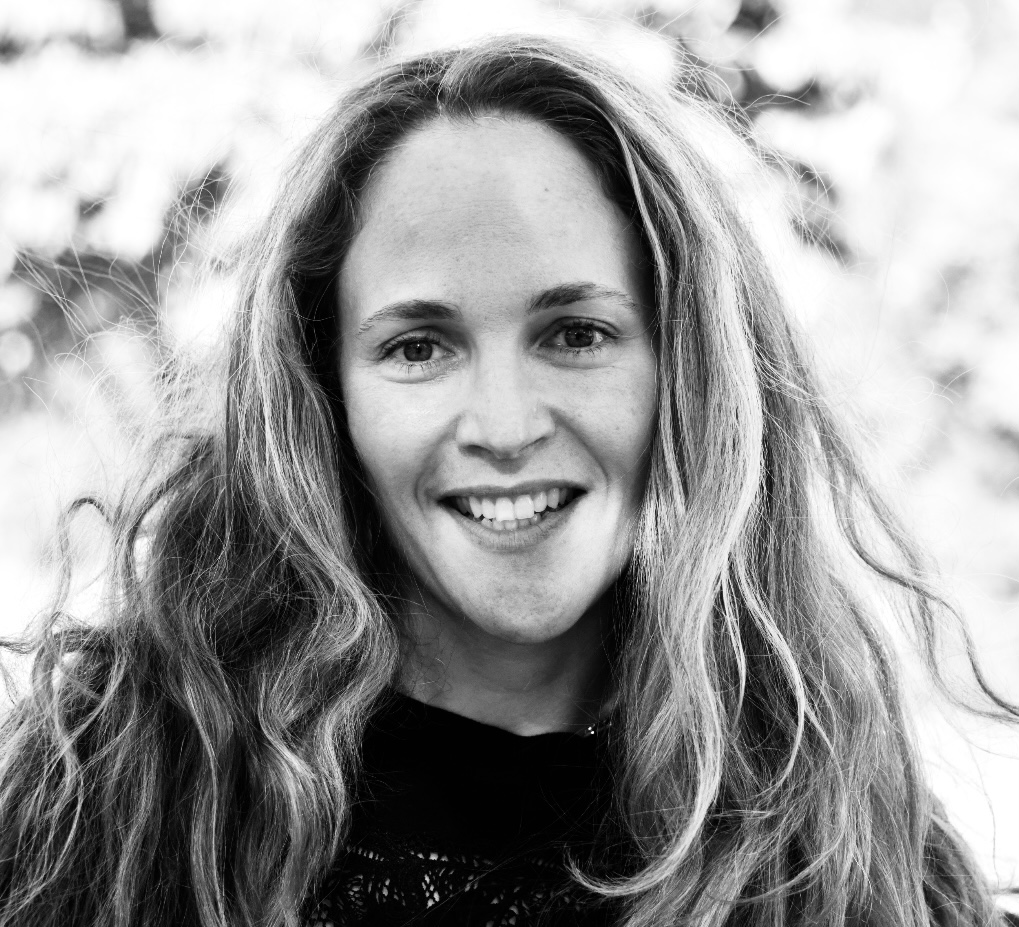
People who come to a therapist want a safe place to openly discuss problems or recurring themes in their lives that they don’t feel they can talk about fully and freely with other people. But they don’t just want to talk, and they don’t want their therapist to just listen. They want active help thinking through where things have gone wrong, where their blind-spots might be, and most of all what they can do to get to a better place – a place that not only feels livable, but actively good. They want to have good relationships, self-respect and self-esteem, a sense of optimism and bravery, and a feeling that they can take on whatever the world throws at them. A desire for that kind of experience is probably what brought you to this website.
About Me
I have a decade of clinical experience as a therapist to people from diverse populations. I focus on creating a respectful, warm, compassionate, collaborative relationship in which my clients can identify and then strive to achieve their internal and external goals. My specialties include working with adults and couples struggling with anxiety, depression, trauma, grief or loss, relationship issues, anger issues, work-life balance, acculturation, career counseling, parenting, divorce, and other life transitions.
I am a licensed clinical social worker. My education includes a Masters in Social Work from Columbia University, NY, the UK equivalent of the Doctor of Law/Doctor of Jurisprudence degree at the College of Law, London and a BA in Philosophy and French from Oxford University, UK.
Approach
My work is collaborative and interactive, helping clients to better understand how past and current experiences produce patterns of behavior that impact their wellbeing. Once identified and processed, a plan for positive changes can be made that will contribute to improved management of symptoms, emotions, relationships, life changes, and other stressors as well as to contribute to an overall feeling of confidence and empowerment.
My approach is strength-based using different modalities but with a particular focus on psychodynamic thinking, systems theory, narrative theory, mindfulness and, where appropriate, cognitive behavioral therapy.
 Talya Boston Psychotherapy